Snow Falls
A Killing Machine Story

Hello, friends!
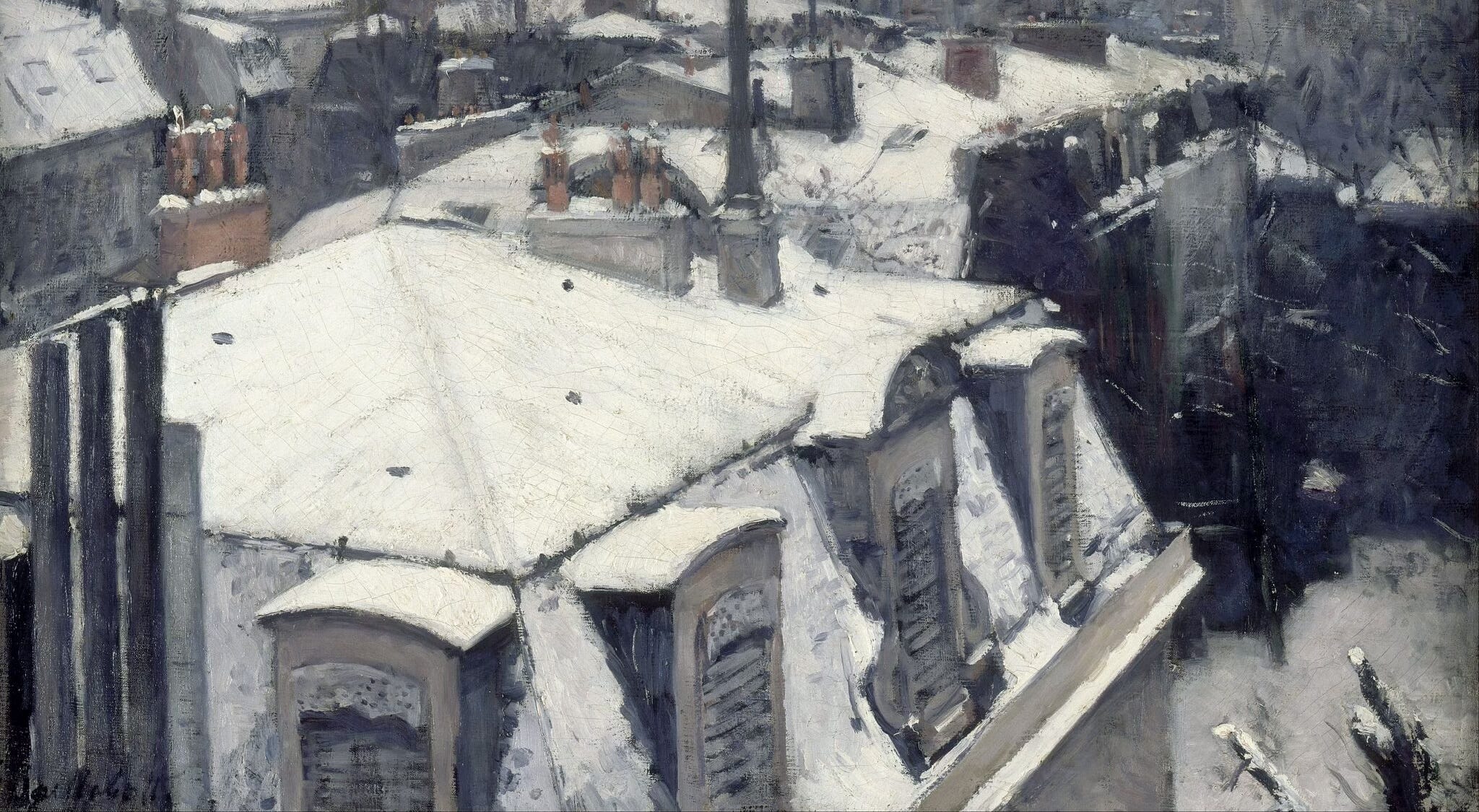
It’s snowing as I write this, which seems appropriate since the title of this week’s story is “Snow Falls.” Yesterday the weather was warm, and when I shut off the furnace I thought it was retired until late autumn, but it’s back on and the fat brown rabbit who spends her days beneath my office window has moved to a warmer spot under the gazebo.
In case you missed my previous newsletter, some years ago I wrote a series of short stories about a hitman who lived by a rigid set of rules and never carried a gun. Every week I’d ask my wife to suggest an object and I’d use her suggestion as the inspiration for a murder weapon.

As I recall, “Snow Falls” was the first George Coleman story I wrote, but then I decided George needed a better introduction so I wrote “The Fine Print” and switched the order of the two stories. I think you should get to know a guy a little before his life starts getting complicated.
I don’t think my wife fully understood yet why I wanted her to name a random item for “Snow Falls,” and I’m sure she was gazing out the car window when she suggested I use a leaf in this story.
So without further ado, here’s a story about a leaf…
SNOW FALLS
“This guy’s a real piece of work,” Isaac said. Powdered sugar decorated his sweater along with a semicircle of the table in front of him. Outside the bakery window a gentle snowfall gathered on the sill and scattered across the parking lot in lazy circles.
“They’re always a piece of work,” George said. “Somebody thinks so or we’d be out of business.”
“Knocks his wife around.” Isaac picked up his fourth doughnut and took a bite, not content to talk without food in his mouth.
“She’s the client?” George said.
“No, our client’s a guy she goes to church with.”
“Covets his neighbor’s wife.”
“Seems she’s more interesting than the sermons.” Isaac slid an envelope across the counter to George. “His name’s Paul David. Two first names.”
“Paul David around much?”
“Nope,” Isaac said. “He only knows the wife from church.”
“What about hubby’s schedule?” George said.
“Couldn’t get that for you.”
George winced. It was best if he knew a target’s movements upfront. Without a schedule, he would have to spend a few days following the husband around, getting a feel for the best time and place to approach him.
“Our client’s never even met the husband,” Isaac said. “All he sees are bumps and bruises, broken arms and legs. He wants that to stop.”
“Why not go to an agency handles that kind of thing?”
“Those places are good, but you can make the problem go away a whole lot quicker.”
George stood and brushed powdered sugar off the envelope. He walked away from the booth while Isaac was choosing his next doughnut. Neither of them said goodbye.
***
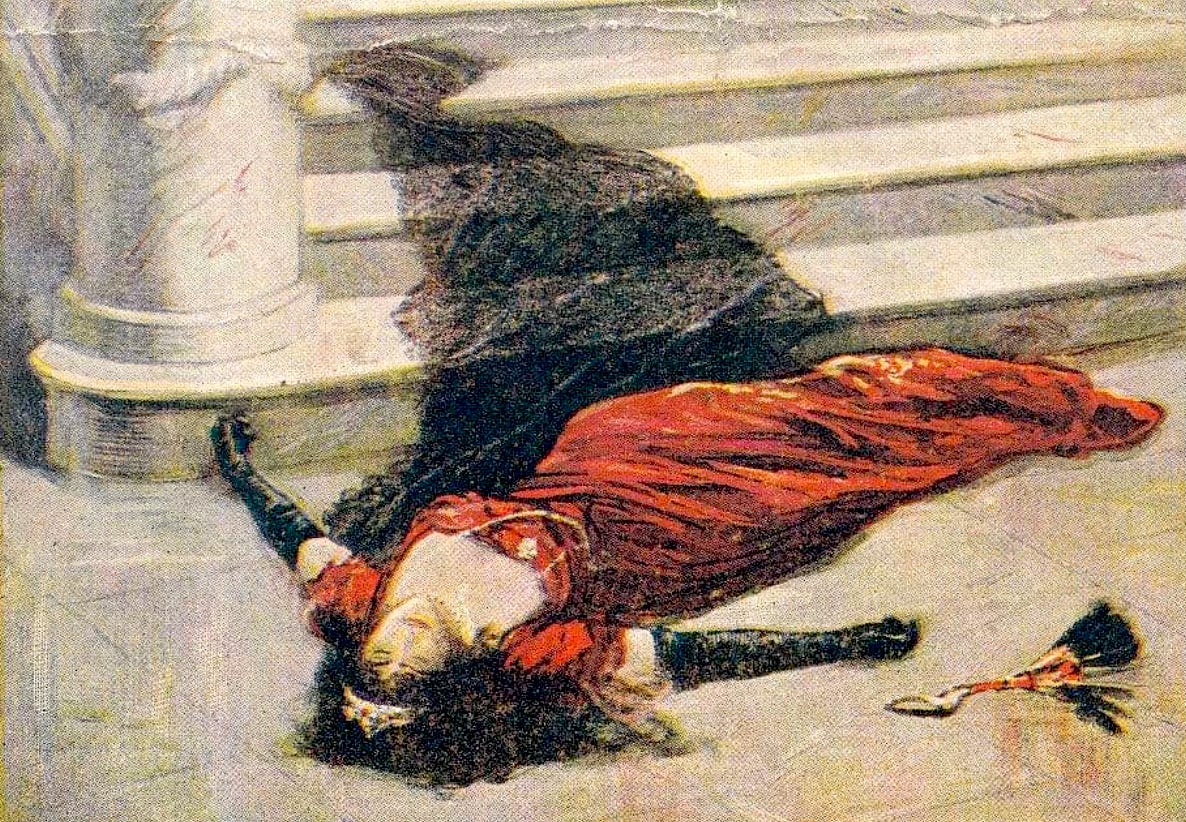
Snow is falling. She tumbles through empty air. If she could breathe she would scream. The building is sleek and modern, glass and chrome, and she can see inside each window as she falls past. Everyone she knows or has ever known is in there, but they’re all busy talking, laughing. No one sees her. She can’t remember why she’s falling, and the end is nowhere in sight. She realizes she has always been falling and she will never hit the ground.
Someone was knocking on a door somewhere. Snow stumbled out of bed, shaking off the nightmare, pulling a robe over the little nightie Mark liked.
“Coming, coming,” she said. Mark forgot his keys about half the time and she hoped he hadn’t been waiting long. She was surprised to find her mother on the back porch.
“Sweetheart, you are the sleepingest person I ever met, you know that? I been out here for an age.” Dixie pushed past Snow into the kitchen, her boots tracking mud, and stubbed a cigarette out in the ashtray on the Formica table.
“Come on in, I guess,” Snow said.
“Almost eleven o’clock in the morning and you’re still in bed.”
“I was up late,” Snow said.
“I bet you were. What’d he do this time?”
“What do you want, Mom?”
Dixie settled heavily into one of the mismatched chairs and used her fingernail to pry a dried noodle from the tabletop. She tossed it in the ashtray.
“I wanna talk to you about something kind of important,” she said.
“I got stuff to do,” Snow said.
“Please, sweet pea, can you sit down? Listen to me for one minute and I’ll let you get back to sleeping your life away.”
Snow sighed and gave in, sat across from her mother. Dixie still made her feel like a child, but she’d learned from her time with Mark that she could go deep inside herself for as long as she needed, sink away from the world. She could sit and wait until Dixie said what she came to say.
“I brought something for you,” Dixie said. “Before I give it to you, how many fresh bruises you got under that big robe?”
“None.”
“Be honest, honey.”
“I slipped in the shower.”
Dixie nodded. “You remember Ted.”
“I don’t wanna hear about Ted.”
“He was good to me after your dad… Well, Ted treated me real good for a while. Like how Mark was at first. But when we got hitched—”
“I told you, Mom, I don’t wanna know anything about Ted.”
Dixie produced a small glass bottle from her coat pocket and set it on the table between them. Snow squinted at it. Inside the bottle were three miniature brown leaves, dried and shyly curling around each other.
“One day, after things got pretty bad, your grandmother come up to the house.”
“White-Hair Grandma?”
“Yeah, White-Hair Grandma. She could barely even walk by then, but here she comes anyway. After I get her situated in the kitchen just like this, she pulls this same little bottle out of her pocket. It’s us two sitting there at the table and me sore all over from a beating Ted give me the night before. Back then, there were four leaves in this bottle.”
Snow leaned forward, interested despite herself.
“Your grandma tells me it’s hard to know what’s in a man’s heart and the women in this family ain’t very good at picking and choosing, but if I crumble up one of these leaves and put it in Ted’s food he’ll stop with the bad behavior. She tells me her own mother give her this bottle. She says it’s how we take care of our men. So that night, after Ted wallops me a good one, I take out one of these leaves with a pair of tweezers and I crush it up to a powder and I put it in his chili.”
“Ted died of a heart attack.”
Dixie shook her head. “It looked like a heart attack, but that little leaf did it to him. Not two hours after he ate his supper.”
“You killed Ted?”
“Yeah, baby, I’m pretty sure I did.”
“That’s…”
“It sounds crazy, I know, and it was wrong of me to do it, but I thought about it a lot since that day. Ted was mean deep down inside hisself and he hid that from me until it was too late. He made me think he was good and he loved me. Maybe he did love me, but he still tore me apart near every day. I think it was what they call a justifiable homicide.”
Snow’s eyes widened with realization. “You want me to kill Mark.”
“Now, I did not say that,” Dixie said. “I just thought you should have this family heirloom.”
Dixie looked like she wanted to say more. Instead she laid her hands on the table and pushed herself up. She stuck a cigarette between her lips and left without another word, shutting the back door hard against the bitter wind.
Snow sat and looked at the tiny bottle for a long time before she got up and grabbed the sponge from the sink. She scrubbed the rest of the noodles off the table and emptied the ashtray, then went back to bed.
***
George was sitting in his car when Mark Gardner came out of the house with a snow shovel. It was Gardner’s day off and George was prepared to trail him if he went anywhere. He’d been following the bartender back and forth between work and home for three days and hadn’t found a way to get him alone. George had decided his best bet was to wait until Gardner ran an errand. Parking lots were terrific places for anonymous murder.
It had snowed again overnight and the driveways all up and down the block were hidden under three inches of fresh white powder. The bartender’s shovel bit into the snow again and again, and George could hear him grunt as he hurled each heavy load onto the neighbor’s lawn. The house remained dark and quiet. Gardner’s wife didn’t come to the door with a cup of cocoa or a word of encouragement. George glanced at his dashboard clock. When he looked up again, Mark Gardner was lying facedown on the snowy driveway. The shovel was trapped under him, the handle pointing out toward the road. A sheet of snow slid from the roof onto Gardner’s unmoving body as George started his car and pulled away.
He drove past the house again twenty minutes later and saw an ambulance in the street out front. Two paramedics, bundled against the cold, were lifting a covered gurney into the back of the ambulance. Swirling lights made the lawn red then blue then red again. Gardner’s wife stood in the open doorway wearing a fluffy robe. Her fine hair blew across her face, but she made no move to brush it back. George didn’t linger.
***
When Snow returned from the funeral home, a man was sitting in her kitchen. The glass bottle with its two tiny leaves was on the table in front of him. Snow wasn’t surprised. She’d been waiting for somebody.
She set her purse on the counter and took the chair opposite the man. He waited for her to speak.
“You found that, huh?” she said.
“I knew what to look for. Hiding it in the spice rack was a pretty good idea.”
“Will you take me downtown now or should I sign something?”
“What’s downtown?” he said.
“I guess I don’t know where the police station is. Is it downtown?”
“You think I’m police?”
“I did.” She pushed her chair back an inch. “Who are you?”
“All you need to know about me is that I’m in an ethical bind and I’d like to talk to you about it.”
“You knew Mark?”
“No, but I know you killed him.”
“I don’t have any money,” she said. “Mark had insurance, but I don’t know if it’ll even cover the funeral. There’s no savings. I don’t even own this house. Once the bank finds out I can’t make the payments, I’ll be out on the street.”
“I don’t want money from you.”
“Then what?” Realization blossomed pink across her face and she swallowed hard. “Oh.”
He seemed embarrassed. He was quiet for a moment studying a framed print of a man in a bowler hat, his face hidden behind an apple. Snow had picked it out years ago, in happier times, because the color of the apple matched the bright green kitchen cabinets. “I’m not interested in you romantically, Mrs Gardner,” the man said at last. “And I’m not here to hurt you. Yesterday, I was sitting outside this house, ready to do my job, when nature beat me to it. The timing was suspicious. This morning, I let myself into your kitchen and found this.” He gave the bottle a little push and it slid across the table. Snow caught it before it could fall.
“It’s an excellent choice,” he said. “Unless the coroner knows to look for it, everyone will believe your husband had a heart attack at the ripe old age of thirty-two.”
“It’s possible,” Snow said.
“Sure it is,” George said. “Clearing the driveway increased his heart rate, while the cold weather constricted his coronary arteries and raised his blood pressure. No medical examiner will bother to look any further.”
“What do you want from me?”
“My problem is I was hired to do a job I can’t do.”
“I don’t know—”
“I’m going to talk, okay?”
“Okay.”
“Right,” he said. “I was hired to kill your husband. I don’t kill someone unless I’m paid to do so and once I am paid, I do the job. No questions, no excuses. It gets done. In this particular case I was paid and the job was done, but I didn’t do it. So my question is, should I return the money?”
“Yes?” She knew she should be shocked to find out someone had tried to have Mark killed, but she couldn’t muster the energy to care.
“My client paid for a result and he got that result. Does he deserve to get his money back? He has his cake and he can eat it, but it’s not the cake he paid for. You see my quandary?”
“Who hired you?”
“You don’t need to know that, Mrs Gardner.”
“Please call me Snow. I’m not Mrs Gardner anymore.”
“What will you do now, Snow?”
“Why do you care?”
“Your future well-being was integral to this job. That’s the reason we’re having this conversation.”
“My mother hired you, didn’t she?”
“No. Will you answer my question?”
“I don’t know what I’ll do. I suppose I’ll have to move back with my mother, but I’d really rather not. I just don’t know.”
The man nodded. “That’s what I thought.” He took an envelope from his pocket and set it on the table as he stood. “My fee is twenty-five thousand dollars. I kept a thousand for my time and expenses. The rest is yours.”
“What?”
“You did the job, you take the paycheck. I didn’t earn it.” He opened the back door and stepped outside. “If you don’t mind my saying so, Snow, I think you have a great many options. I suggest you take your time before settling on anything.” The door shut behind him with a sigh.
Snow stuck the envelope under the knife block beside the stove. She watched the clock on the wall and waited two minutes, then slipped quietly out the back door.
***
When George left his apartment building the next morning, Snow was sitting on the front stoop, her back against the wrought-iron railing, her legs stretched across the top step.
He pulled her to her feet before she could speak, took her by the elbow and steered her to a bus-stop halfway down the block. He sat her on the bench and sat next to her.
“This is not good,” he said. “How did you find me?”
“I looked at your mailbox,” she said. “Your name is Rob Johnson?”
He nodded. “I’ll ask you one more time.”
“Except you’d have to be an idiot to put your real name on your mailbox, Rob.”
He was quiet for a long moment and she sat patiently waiting. She was too thin, with pale blond hair that fell over her eyes. There were faint lines at the corners of her eyes and around her mouth, hinting at a past. He had given her a future and yet she wouldn’t live out the day. He felt deeply sad.
“Call me George,” he said.
“I like that name better. It’s softer, sort of old fashioned.”
“Snow, how did you find me?”
“I followed you yesterday. I used to work security for a big department store before I met Mark. I’m good at going unnoticed. You doubled back and cut through alleys, but you walked the whole way from my house. Mark’s house, I mean. I think you’re not used to leaving people alive. That made it easier.”
“What did you hope to accomplish by coming here?”
They waited as a bus pulled up. Its doors opened and two teenaged girls hopped off. The bus driver peered out at George and Snow, and when George shook his head, the driver closed the doors and the bus rolled away. They watched the girls trudge down the slushy sidewalk, bowed low under heavy backpacks.
“My mom killed her husband,” Snow said. “He wasn’t a good man, but they had a home and a life. They went to church and volunteered at the food bank. I guess my grandma killed my grandpa, too. Before you showed up in my kitchen I was thinking about how everything is different now. I don’t feel like I’m a bad person, but I feel like there’s something in me that’s always been there and I didn’t know about it until a few days ago. I’m not who I thought I was.” She shrugged. “Nobody’s who I thought they were.”
“Snow, you know where I live. Nobody knows where I live. It’s how I sleep at night.”
“There’s nobody at all?”
He stared at her, unblinking, waiting for her to understand.
“I’m not scared of you,” she said. “You could have killed me yesterday. You could have kept that money, but you didn’t. I think maybe, you know in a weird way, I think you’re a good person.”
George laughed, like the sound of distant gunfire.
“Paul David, right? That’s who hired you?”
“Yes,” he said.
“I knew he had a crush, but he didn’t want me bad enough to do anything about it. He hired you to do it instead.”
“That’s doing something.”
“I just wanted to talk to you again, tell you that if you can kill someone and still be a good person, so can I.”
George slumped against the back of the bench. He didn’t want to kill this girl. He hadn’t been paid to kill her and he liked her. He watched a wisp of her fine, slightly kinky blonde hair drift across her lips.
“I won’t tell anybody where you live or anything about you,” Snow said. “Even if I did, what would I tell them? That a man came to my house and gave me a bunch of money? I think…”
She turned to face him. Her mouth was open, as if waiting for the next word to come. She leaned in and kissed him. When he pulled away she smiled.
“I knew you wouldn’t kill me,” she said. “See you around, George.”
She stood and walked away down the street without looking back. George could see the tension in her shoulders, knew she was waiting for him to come up behind and snap her neck or stab her through her thin coat. He watched her until she turned the corner, then he went up to his apartment and packed a suitcase.
***
He stayed at a motel on the highway. Four times a day, he drove by his apartment building. Every morning, at two o’clock, he checked the traps he’d set around the door. Every three days he moved to a different motel. After a month he relaxed his guard and moved back home.
February gave way to March. George stayed in his apartment, rarely venturing out except for food and laundry. He thought about Snow. He thought about the wisp of hair she’d let hang across her face and he thought about the faceless man who watched her from a painting above her kitchen table, judging her from the refuge of obscurity, and he thought about the husband who had hurt her.
Snow was wrong about him. He was not a good person, not in any way. He was brutal, impassive, and pitiless, but he came to understand that she was right about one thing. He would not have harmed her in order to preserve his anonymity. He would have run, lost himself in a new city, a new name.
April first, the day of fools, George was opening a can of ravioli for lunch when he heard a soft tap at his door. He went and peered through the Judas hole. Snow stood in the hall, a duffel bag at her feet. She didn’t look at the hole in the door, though she surely knew he was watching her. He ran a hand through his hair and over the back of his neck, took a long breath before turning the deadbolt.
Without a word, Snow picked up her bag and stepped over the threshold into George’s life.
And here’s the next Killing Machine story…


The snow’s let up and my rabbit’s back in her customary spot, poised like a chocolate bunny beneath the Japanese maple in our backyard, where she belongs this time of year.
I hope you’ll share “Snow Falls,” comment on it, and (even if you didn’t care for this one) let me know what you thought.
I’ll talk with you next week.
Your friend,
Alex
I really liked this. Snow took back ownership of her life, introduced a bit of chaos in George’s life—knocked him off his game a little.
Works well as a short story, but I enjoy your work enough that I could see you easily turn this into a type of flashback of how a married assassin-for-hire couple met.
I pre-ordered your novella too! Looking forward to it!!!
Oh shit, I read Red Rabbit this year and loved it. Now, I get to read more!